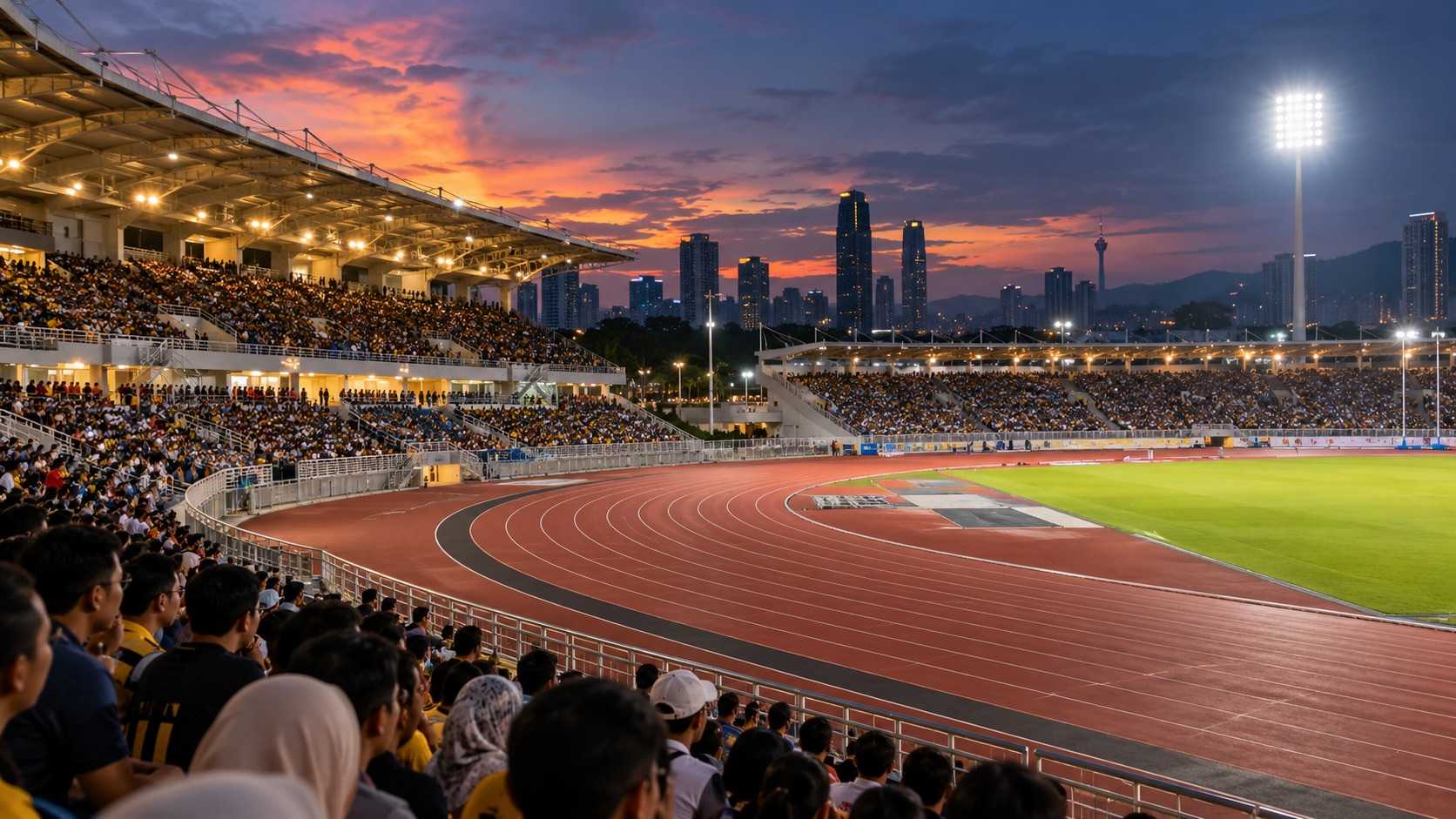
AI-generated editorial illustration; it does not depict the reported event.
I enjoy the idea of a major race, but public value should be assessed beyond ticket sales. Tourism, venue use, infrastructure costs and opportunity cost belong in the same calculation.
What happened
On 12 October 2026, New Straits Times reported this development: A discussion about bringing Formula One back to Sepang raised whether the event could be profitable enough to justify it. For sport, the result is one point in a longer sequence of preparation, recovery and competition.
Why I am watching
The people around an athlete matter as much as the highlight clip. Coaching, medical support, equipment and competition opportunities shape whether an exceptional day becomes repeatable. Celebrating a milestone is fair; predicting a whole career from it is much harder. I would return to the original report when details change. A social-media screenshot can lose the date, place or qualifying condition that made the first version accurate. Keeping the source link is a better way to follow a live story than repeating the most memorable line.
What I would check next
Look for a published feasibility study and funding model before treating the return as a confirmed plan. I would compare the next update with the report’s date and original wording. That is the simplest way to tell a confirmed result from a forecast, a proposal or a promotional promise.
One question still open
What financial assumptions underpin a possible Malaysian Grand Prix? I have not seen enough in this first report to answer that confidently. A later result, official schedule or implementation note would be more useful than filling the gap with a guess. I will treat the answer as open until there is a reliable update.
Takeaway
This story gives me a useful starting point. The source is linked above, and the next verifiable step will tell us more than a louder version of today’s headline.