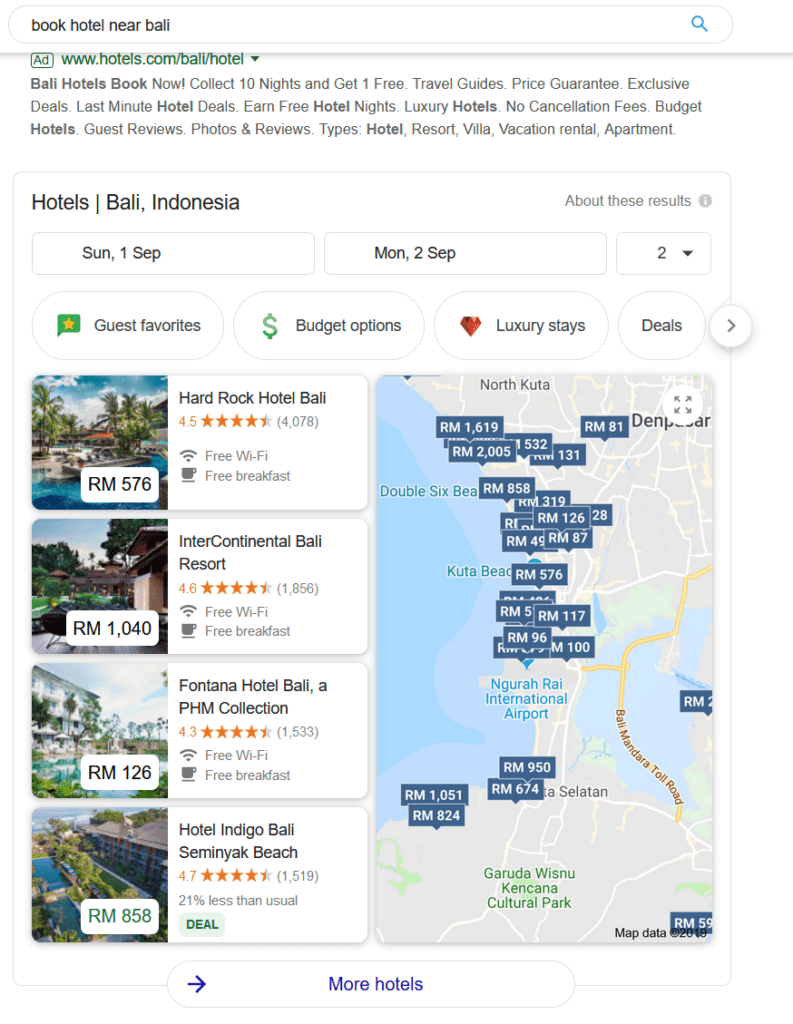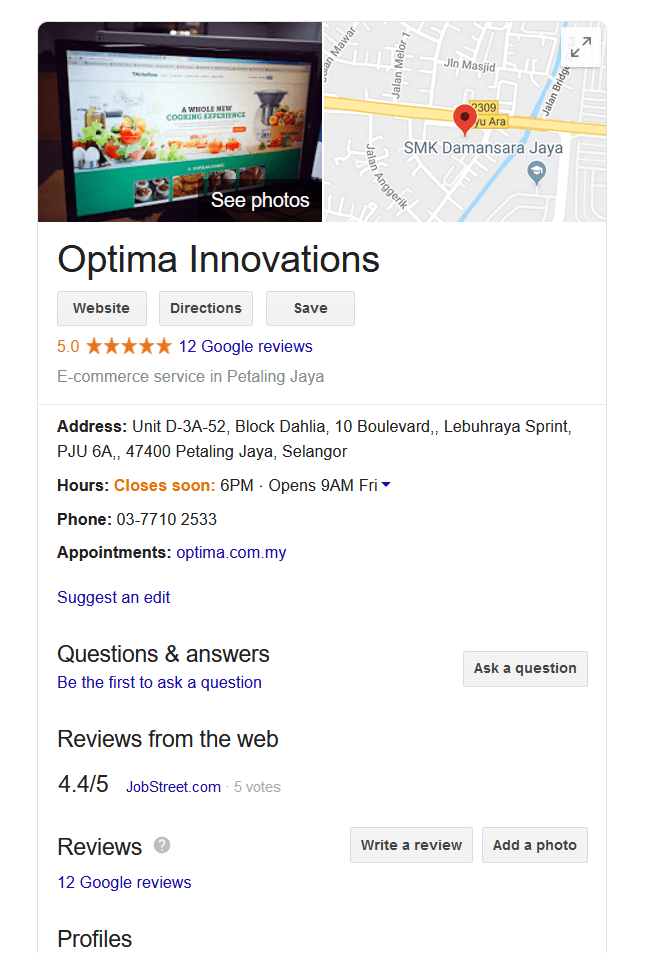
Editorial illustration.
Originally published 16 June 2023; rewritten and reviewed on 15 October 2026.
A website can be visually polished and still be difficult to discover or understand. In the original article, I argued that appearance alone does not remove the need for SEO. I would now express the point through the practical jobs search-friendly publishing helps a site perform.
Seven useful reasons to maintain it
- Help relevant readers find the right page. Describe the subject clearly and connect it to the questions the intended audience asks.
- Make the site understandable to crawlers. Maintain accessible links, coherent URLs and the technical conditions required for public pages to be discovered.
- Give each page a distinct purpose. Useful titles, headings and descriptions help avoid a collection of pages that all appear to say the same thing.
- Keep older material dependable. Fix broken references, update changing information and retain historical context where the original date matters.
- Improve navigation for people. Descriptive internal links help readers continue from a question to the next useful explanation.
- Connect discovery to a business action. A relevant visit should lead to a clear enquiry, purchase or other outcome the site can actually fulfil.
- Create a basis for measured improvement. Compare search and site behaviour using appropriately collected data rather than assuming a ranking or visual change caused a result.
Avoid promises the method cannot support
SEO does not guarantee a particular ranking, traffic volume or sales result. A keyword list cannot compensate for a page that fails to answer the question. The original article included broad search-volume claims; this revision does not repeat them without a clearly dated source.
Google’s SEO Starter Guide is a useful primary reference for the basics. I would use it alongside the site’s actual content and reader needs.
The lasting argument is about maintenance: a useful site needs to remain findable, understandable and accurate after launch. Those qualities serve the reader even when a search result changes.
Related reading
- Meta Tags, Part One: Describe the Page Before Optimising It
- Meta Tags, Part Two: Make Search and Sharing Describe the Same Page
Images from the original article
The following images are retained as historical context; interfaces and configuration options may have changed.